Return to Sport After Injury: How a Physio Decides You’re Ready
Return to sport after injury is decided by testing, not the calendar. Learn what an Edmonton sports physio checks before you play, from strength to hops.
The safest return to sport after injury is decided by what your body can do, not by how many weeks have passed or the fact that it has stopped hurting. A sports physiotherapist tests strength, control, speed and confidence against your sport’s demands, then steps you back in gradually.
At Coronation Physiotherapy in northwest Edmonton, that is how we approach it: test first, then progress. Pain going away is a good sign. It is just not the finish line.
General information only, not a diagnosis. Our physiotherapists and massage therapists assess every patient first.
Key takeaways
- Feeling no pain does not mean the injured area is strong or quick enough for game speed.
- Criteria-based return, where you pass specific tests, is now favoured over a fixed number of weeks.
- Return to sport testing usually compares the injured side with the uninjured side for strength, hopping and control.
- After ACL reconstruction, returning before 6 months is considered high risk, and full function can take much longer.
- Concussion follows its own graded protocol and is managed separately from muscle and joint injuries.
Why isn’t “it doesn’t hurt anymore” enough to return to sport after injury?
Pain settles well before tissue is ready for full load. A sprained ankle can feel fine walking around the house within a couple of weeks while the muscles that steady it on a sharp cut are still weak and slow to react. Swelling, rest and guarding all cost you strength, and that strength does not come back by itself just because the ache has gone.
That gap is where re-injury risk lives. You feel ready, you go back to full games, and the first awkward landing finds the weak link.
Time-based vs criteria-based return
The older approach was a calendar: six weeks for this, nine months for that, then you are cleared. The trouble is that two people with the same injury heal and rebuild at very different rates. An ACL return to sport consensus group put it bluntly, agreeing that purely time-based decisions should be abandoned in clinical practice.
Criteria-based return means you move to the next stage when you meet the targets for the current one. Time still matters, because healing tissue has biological limits. It just is not the only thing that decides.
What are the stages of returning to sport?
Returning is not a single yes or no moment. A 2016 consensus statement from the First World Congress in Sports Physical Therapy in Bern, published in the British Journal of Sports Medicine, describes it as a continuum with three stages:
- Return to participation. You are active and may be training, often in modified form, but not yet ready to compete at your target level.
- Return to sport. You are back playing your sport, but not yet performing the way you want to.
- Return to performance. You are playing at or above your pre-injury level.
This framing helps in real life. A rec-league hockey player in Edmonton might happily stop at return to sport. A competitive volleyball player chasing a provincial spot needs return to performance. Your goal shapes how far the rehab goes and what gets tested along the way.
It also takes the pressure off a single “clearance day”. Most people step between stages over weeks, with practice before games and shorter shifts before full ones.
What does return to sport testing involve?
Return to sport testing turns “I think I’m ready” into something you can measure. The exact battery depends on your injury and your sport, but it usually covers several layers.
- Pain and swelling response. How the area reacts the day after harder sessions tells us more than how it feels during them.
- Range of motion. Full, comfortable movement at the joint and the ones around it.
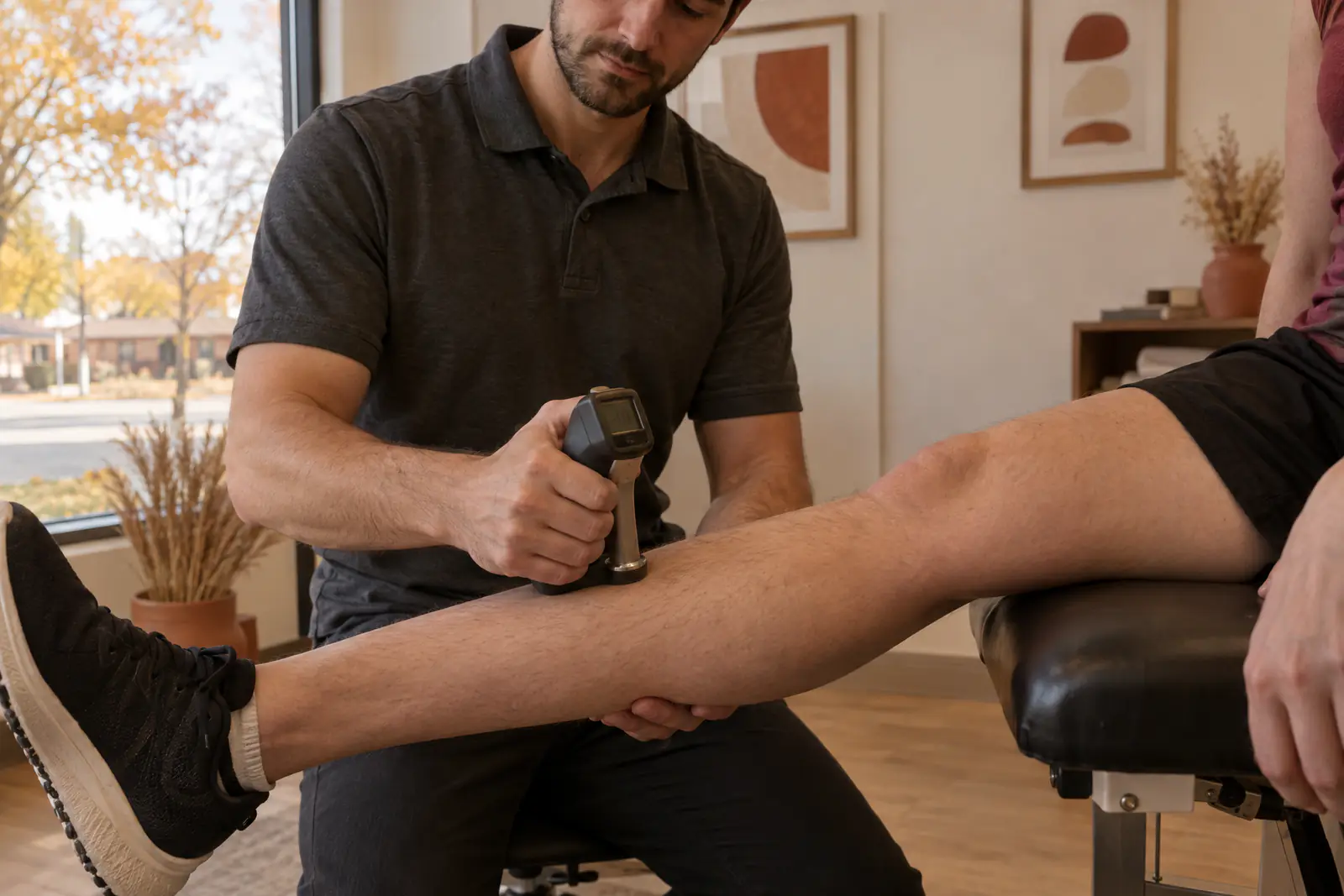
- Strength, side to side. The injured limb is compared with the uninjured one, often with a handheld strength testing device.
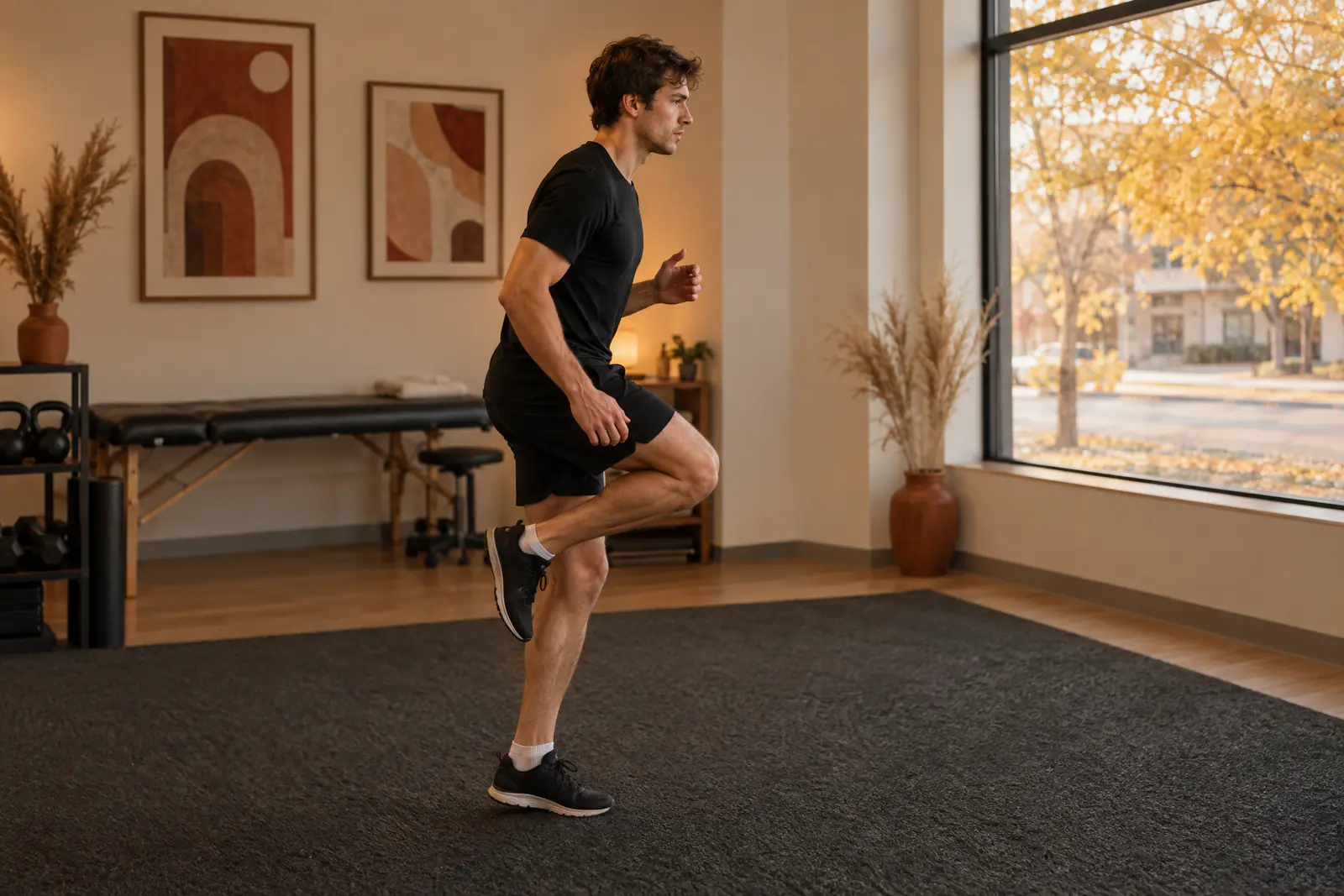
- Hop tests and limb symmetry. For knees especially, single-leg hops for distance and repeated hops show power and landing control. Many programs look for the injured leg to reach about 90 percent of the other.
- Agility and change of direction. Cutting, decelerating and reacting, because that is where most non-contact injuries happen.
- Sport-specific drills. Skating starts, overhead throws, jump landings, whatever your sport asks for.
- Confidence. Psychological readiness is part of the picture, and fear of re-injury is a common reason people do not get back.
What does a return to sport progression look like for an ankle or shoulder?
Every plan is built from your assessment, but the general shape is similar: restore movement, rebuild strength, add speed and impact, then add the chaos of real play.
Ankle sprains
Early work focuses on settling swelling and getting the ankle moving. Balance training follows quickly, starting on one leg on a firm floor and progressing to unstable surfaces and eyes closed. Calf and hip strength come next, then hopping in place, hopping forward and sideways, and finally cutting and agility work. Ankle sprains have a reputation for recurring, and a rushed final stage is a big part of why.
Shoulders in overhead athletes
Volleyball, baseball, swimming, tennis and badminton all load the shoulder at the top of its range and at speed. Rehab usually starts with control of the shoulder blade and rotator cuff, then builds endurance, then adds throwing or hitting volume in measured steps. If your shoulder trouble involves the rotator cuff itself, our guide to rotator cuff injury physiotherapy covers that part in more detail.
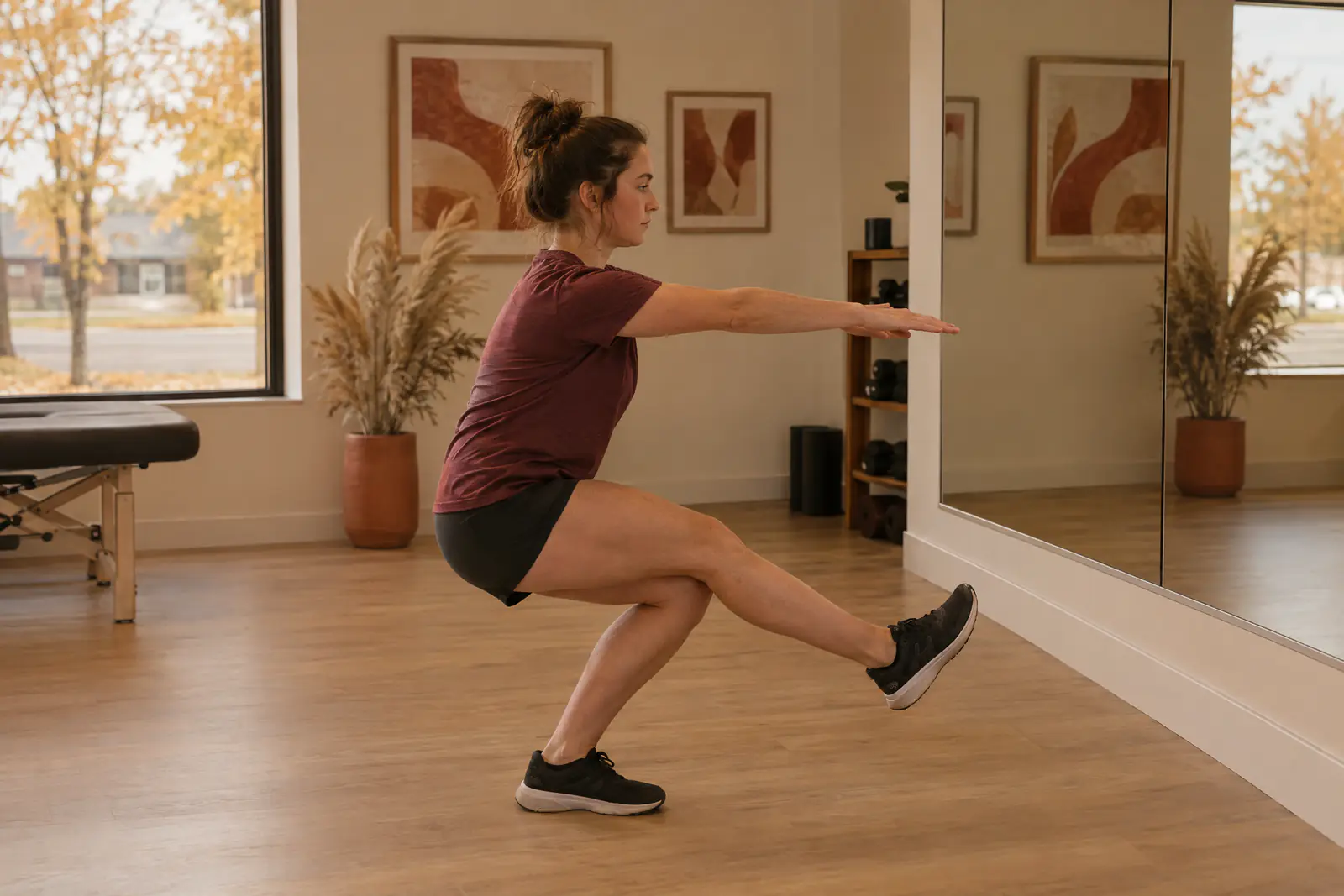
When can I play again after an injury like an ACL tear?
The honest answer is a range, and it depends on the injury, any surgery, and how your rehab goes. Minor sprains and strains often take weeks. Bigger injuries take months.
ACL return to sport is the clearest example of a long road. The Panther Symposium consensus on ACL injury states that returning before 6 months likely represents an unacceptably high risk, and that getting back to normal function may take up to 2 years. That does not mean two years off sport. It means the later stages of strengthening, landing practice and sport-specific work carry on well after you are back on the field or court.
Passing criteria also matters more than the date. The same consensus links quadriceps strength below 90 percent of the other leg with a higher rate of re-injury. If you are dealing with knee trouble that is not an ACL tear, an assessment is the way to find out what is going on and what will help.
Everyone responds differently, so your physiotherapist will give you a range at assessment and update it as you hit, or miss, each target.
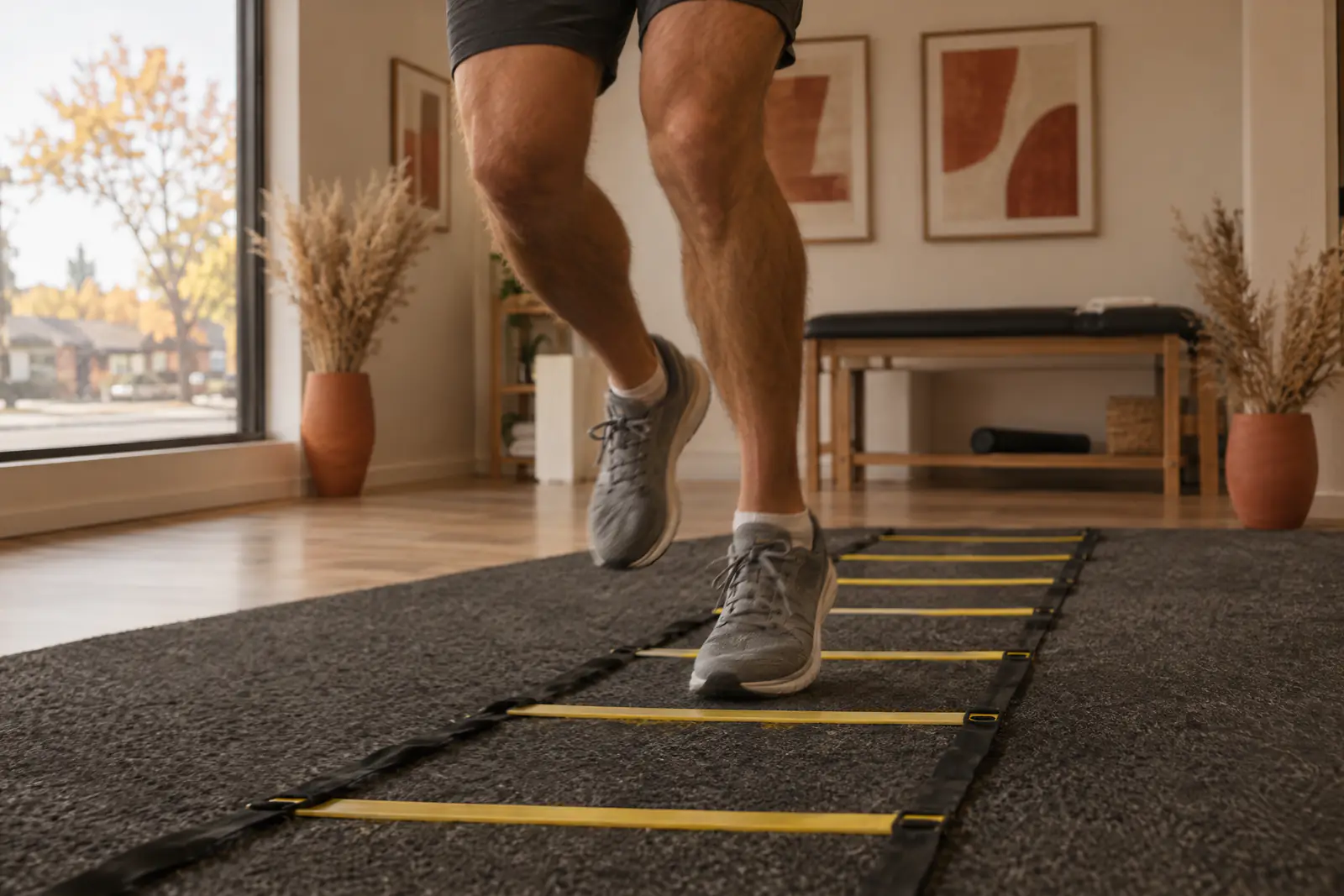
What physiotherapy treatment looks like at Coronation
Our sports physiotherapy in Edmonton starts with a one-on-one assessment. We ask what you play, what level, what position, and what you want to get back to, because a goalie and a winger need different things. Then we look at how the injury is moving, loading and recovering.
From there, treatment usually combines:
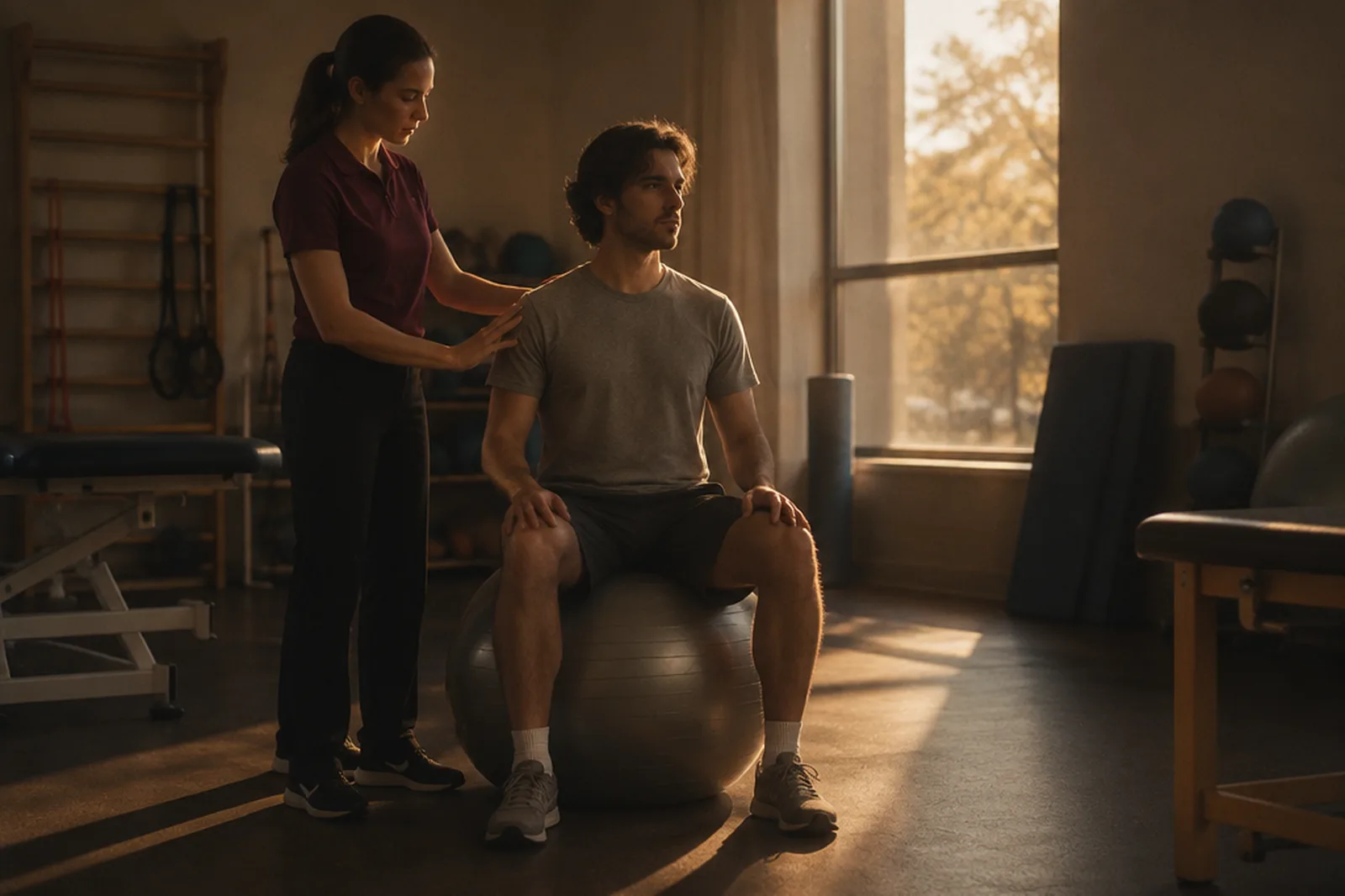
- Hands-on care where it helps settle pain and restore movement.
- A progressive exercise plan that moves from basic strength to power, speed and sport drills.
- Retesting at each stage, so progress is measured rather than guessed.
- Options such as dry needling or shockwave for selected cases, used alongside exercise and decided at assessment.
Our co-owners, Gugan Dakshnamurthy and Muthuukaruppan Muthiah (Muthu), both treat patients. Gugan brings 14+ years of clinical experience with a particular interest in the neck, shoulder and knee. Muthu has 24+ years of clinical practice and is the most senior physiotherapist on our team.
If you have only just been hurt and are not sure what to do yet, start with our guide on what to do after a sports injury.
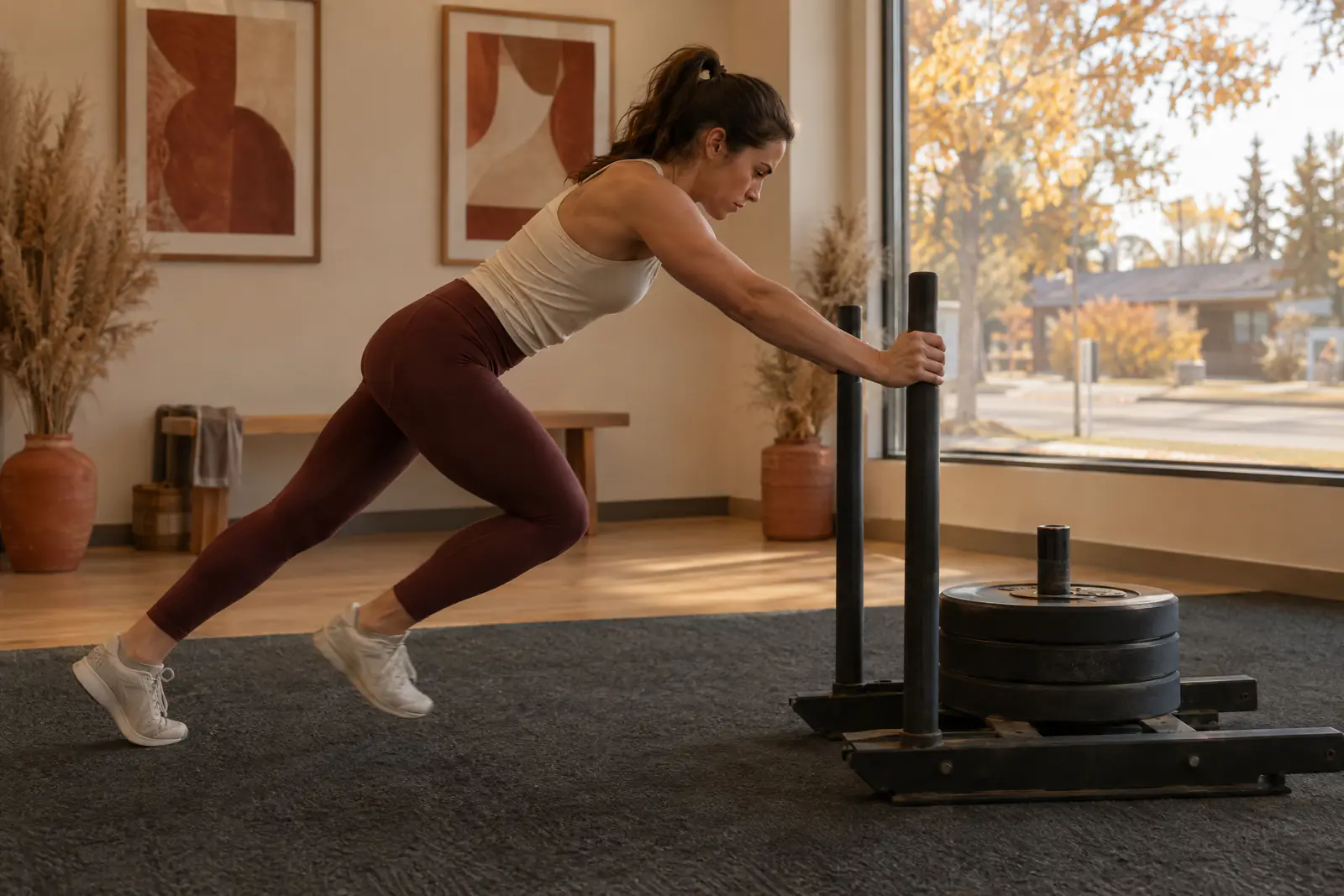
How do you lower re-injury risk once you are back?
A previous injury to the same area is one of the well-known risk factors for getting hurt again. Getting back on the ice or field is the start of a maintenance phase, not the end of rehab.
Structured warm-ups help. FIFA 11+ is a well-studied example for soccer: a set routine of running, strength, balance and landing drills done before training. Similar neuromuscular warm-ups are used across basketball, volleyball and other cutting and jumping sports. Keep one or two strength sessions a week in your schedule through the season, not just in the off-season.
Youth athletes
Growing athletes are not small adults. Growth plates and fast growth spurts change how bones, tendons and muscles handle load, and heel or knee pain in an active teenager deserves an assessment rather than more games through it. Year-round single-sport schedules are worth a second look too.
Concussion is different
Concussion has its own graded return to sport strategy and is not covered in depth here. Follow the Canadian Guideline on Concussion in Sport from Parachute and medical advice before stepping back in.
When should you see a doctor instead of a physiotherapist?
Most sports injuries can start with a physiotherapy assessment, and no referral is needed in Alberta. Some signs need medical attention first, or alongside rehab:
- A joint that keeps giving way, locks, or will not take weight.
- Rapid, large swelling soon after an injury, or swelling that keeps returning after activity.
- New pain that changes how you walk, run or move, or pain that wakes you at night.
- Numbness, tingling or weakness down an arm or leg.
- An obvious deformity, a suspected fracture, or a hard hit to the head.
For a suspected fracture, dislocation or head injury with worsening symptoms, go to emergency or call 911. If something during your rehab does not fit the expected pattern, we will tell you and point you to your doctor rather than push on.
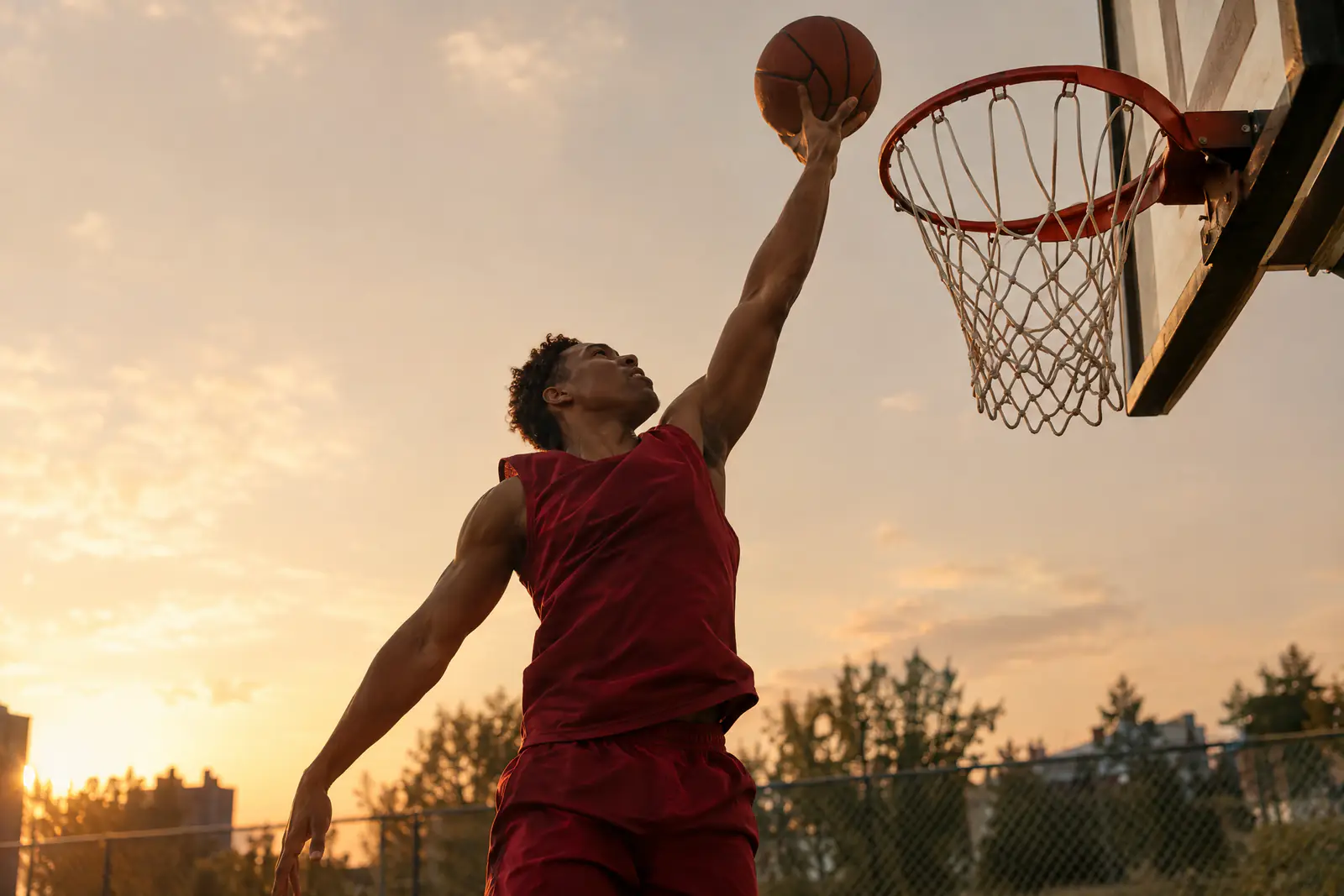
The bottom line
A safe return to sport after injury is earned through testing, not counted off on a calendar. Pain settling is step one. Strength, hopping, agility and confidence that match your sport are what get you back, and keep you there.
Important: This article is general information only. It is not medical advice and it cannot be used to diagnose or treat any condition. Every patient is assessed first by one of our registered physiotherapists or our registered massage therapists before any treatment, and your care plan is based on that assessment. If you have symptoms, please book an assessment.
If you want a clear plan and a realistic range for your sport, our sports rehabilitation program starts with an assessment. Book an assessment or call (825) 451-6263.