

Vertigo and dizziness, northwest Edmonton
If the room spins when you roll over, that is testable
Vertigo is a symptom, not a diagnosis. Positional testing tells us which inner ear canal is involved, and for BPPV the treatment is a repositioning manoeuvre rather than medication.
The short answer
What vestibular physiotherapy is
Vestibular physiotherapy assesses and treats dizziness, vertigo and balance problems that come from the inner ear balance system. At Coronation Physiotherapy in northwest Edmonton the assessment uses positional testing to identify the cause, and the treatment for benign paroxysmal positional vertigo is a canalith repositioning manoeuvre performed in the clinic.
Gugan Dakshnamurthy, co-owner and registered physiotherapist, is certified in assessing and treating BPPV. No doctor referral is required to book an assessment in Alberta.

Does this sound like you
The pattern that usually points to BPPV
BPPV has a recognisable signature. It is provoked by a change in head position, it is brief, and it is intense.
Triggered by position
Rolling over in bed, lying down, sitting up quickly, tipping your head back to a high shelf, or bending forward. Sitting still, you are usually fine.
Short but severe
A true spinning sensation that lasts seconds to under a minute, rather than a constant light-headedness that runs all day.
Nausea and unsteadiness after
The spin passes but leaves a wooziness and a fear of the next episode, which is often what stops people driving or sleeping on one side.
Dizziness that is constant, that comes with hearing loss, severe headache, double vision, slurred speech or weakness, needs medical assessment first. Tell us and we will point you to the right place rather than treating the wrong thing.
How the appointment runs
Test first, then reposition, then retest
History and positional testing
We ask what provokes it and how long it lasts, then perform positional tests. The Dix-Hallpike test identifies posterior canal involvement and a roll test checks the horizontal canal. The eye movement each test produces tells us which canal and which side.
Canalith repositioning
If the testing confirms BPPV, we treat it in the same appointment with a guided sequence of head and body positions, most often the Epley manoeuvre, which uses gravity to move the displaced crystals out of the canal.
Retest and aftercare
We repeat the positional test to check the response, explain what to expect over the next day or two, and give you the balance and habituation work that suits your case. Recurrence is possible, and we tell you what to watch for.
When it is not BPPV
Dizziness has more than one cause
Assessment matters because the treatment differs completely depending on the cause. A repositioning manoeuvre does nothing for dizziness that is not coming from loose crystals in a canal.
We also assess and treat reduced inner ear function on one side, persistent dizziness and balance problems after concussion, dizziness arising from the neck, and general unsteadiness where balance retraining is what is needed.
Book a vestibular assessmentVestibular hypofunction
Reduced function on one side, treated with graded gaze stability and balance retraining rather than repositioning.
After concussion
Dizziness, visual motion sensitivity and balance symptoms that persist after the initial injury.
Cervicogenic dizziness
Unsteadiness linked to neck injury or stiffness, common after a motor vehicle accident.
Balance and falls risk
General unsteadiness where the goal is confidence on your feet and reducing the risk of a fall.
Who you will see
Assessed by physiotherapists certified in BPPV
Gugan Dakshnamurthy is a co-owner of the clinic and a registered physiotherapist with more than 14 years of clinical experience. He is certified in assessing and treating benign paroxysmal positional vertigo, and he combines that with manual therapy, shockwave, therapeutic exercise and dry needling across the rest of his caseload.
You keep the same physiotherapist from assessment through to discharge, which matters with vertigo because the retest at each visit is a direct comparison with the one before it.
Meet the team




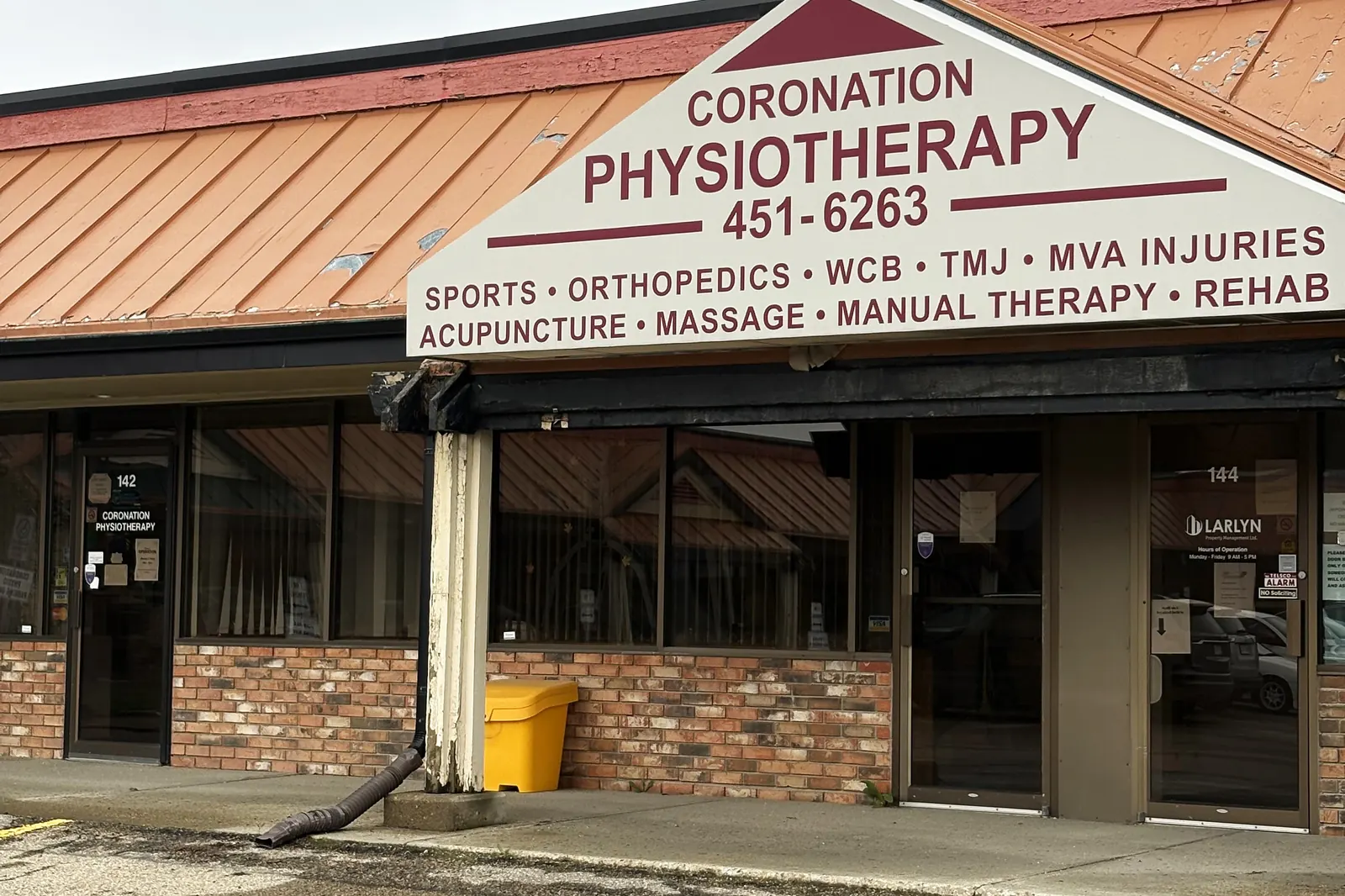
Parking sits at the front and the back of the building and the entrance is at street level, which is worth knowing if your vertigo makes stairs or a long walk from the car difficult.
Straight answers
Vertigo and dizziness questions
What is BPPV?
Benign paroxysmal positional vertigo happens when small calcium carbonate crystals, normally held in one part of the inner ear, move into a semicircular canal. The canal then sends the brain a false signal of spinning whenever you change head position, which is why it is set off by rolling over in bed or looking up.
How do you diagnose the cause of vertigo?
With positional testing. The Dix-Hallpike test provokes and identifies posterior canal BPPV, and a roll test checks the horizontal canal. We watch the eye movement that the test produces, because the direction and duration of that movement tells us which canal is involved.
What is a repositioning manoeuvre?
A sequence of guided head and body positions that uses gravity to move the displaced crystals out of the semicircular canal and back where they belong. The Epley manoeuvre is the one used most often for posterior canal BPPV.
How many appointments does BPPV usually take?
Many cases of BPPV settle within a small number of repositioning treatments, and we reassess with the same positional test each visit to confirm whether it has cleared. Some cases recur or involve more than one canal and need further treatment.
Is all dizziness caused by BPPV?
No, which is why the assessment comes first. Dizziness can also come from reduced inner ear function on one side, from concussion, from the neck, from blood pressure changes or from medication. Treatment only helps if the cause is identified correctly.
Do I need a doctor referral for vestibular physiotherapy?
No referral is needed to book an assessment in Alberta. If your history suggests a cause that needs medical investigation first, we will tell you and recommend you see your doctor.
Can physiotherapy help dizziness after a concussion?
Vestibular and balance symptoms are common after concussion and are assessed and treated as part of our concussion and return to activity management.
Should I bring someone with me?
Positional testing can briefly provoke your symptoms, so some patients prefer not to drive straight afterwards. Bringing someone is sensible if your vertigo is strong or frequent.
Related guides
More on dizziness and vertigo

Dizziness Treatment in Edmonton: When It Is Not BPPV
Dizziness that is not BPPV: the main types, the causes vestibular physiotherapy can help with, and the red flags that need 911.
Read the guide
Vertigo and Dizziness Treatment in Edmonton: How Vestibular Physiotherapy Helps
If the room spins when you roll over in bed, tip your head back, or stand up quickly, the cause is often a treatable inner ear problem called...
Read the guideGet the spinning tested properly
Book a vestibular assessment in northwest Edmonton. Positional testing and, where it is indicated, repositioning treatment in the same appointment.