

IMS and dry needling, northwest Edmonton
Gunn IMS for persistent muscle pain
Intramuscular stimulation uses a thin needle to release shortened, sensitised muscle bands and settle the nerve supplying them. It is for the pain that has no swelling and no visible tissue damage.
The short answer
What IMS is, and what it is for
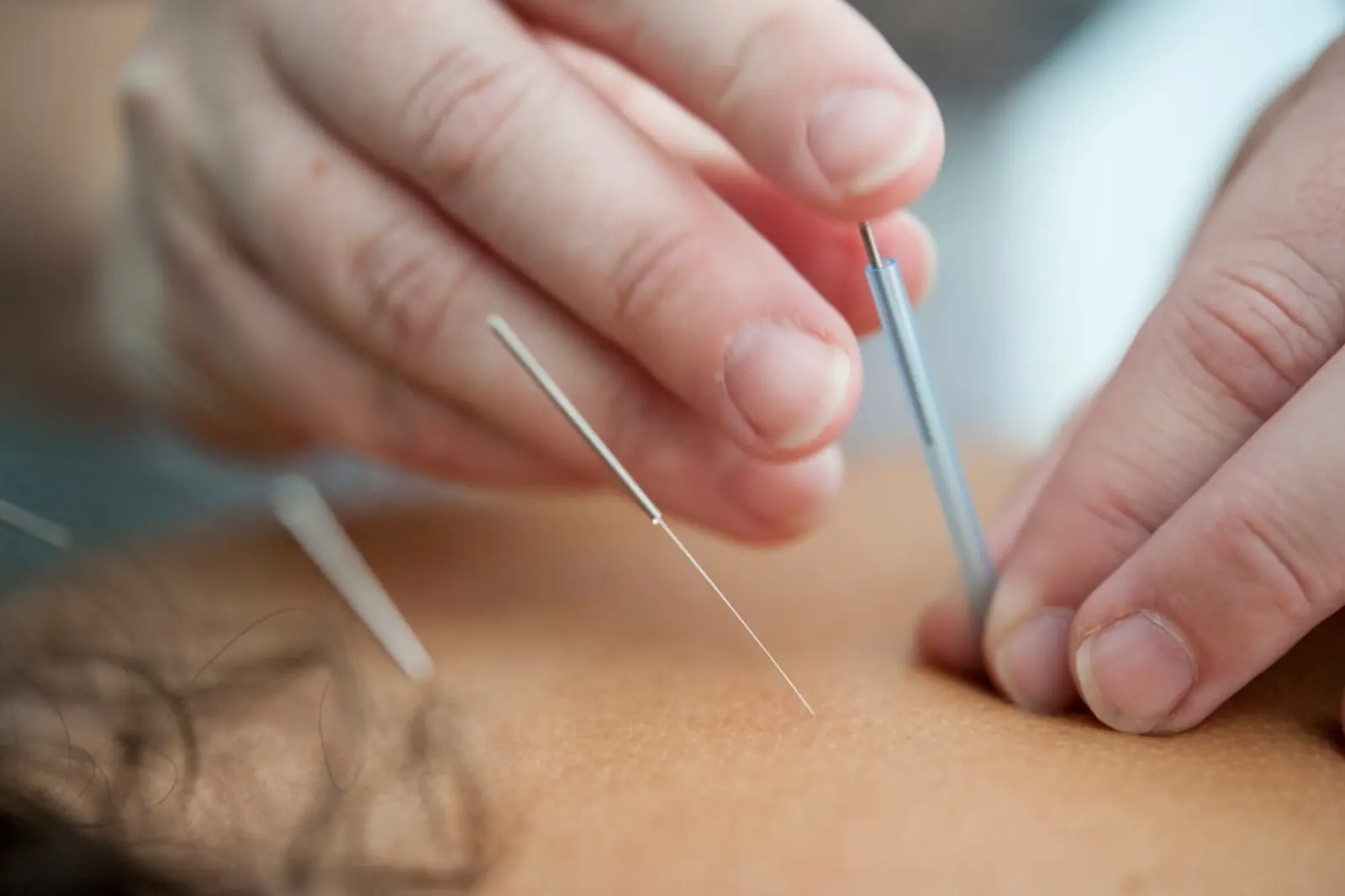
Gunn intramuscular stimulation, also called dry needling, uses a thin needle inserted directly into a knot or trigger point to relax a tight muscle and calm the nerve that supplies it. At Coronation Physiotherapy it is applied by a registered physiotherapist within your treatment, when the assessment indicates it.
It suits a particular kind of problem: headaches, backache, chronic muscle pain and other musculoskeletal pain that persists without inflammation or obvious tissue damage. That pain usually comes from nerve dysfunction, typically chronic irritation that leaves muscle fibres shortened and sensitive.
Why patients choose Coronation Physiotherapy
Trusted since 1987
A practice Edmonton has relied on from the same northwest location since 1987, now led by an experienced team.
Owner operated
Both owners are registered physiotherapists who treat patients themselves, every day, in this clinic.
3,400+ sq ft
A dedicated rehabilitation facility with a full exercise gym, private treatment rooms and advanced equipment.
4.8 from 101 reviews
Rated 4.8 on Google by 101 patients across northwest Edmonton.
How it works
A needle, a response, and a healing signal
Examination first
Your physiotherapist examines the muscle and the nerve supplying it to find the shortened, sensitised bands. The needle goes where the examination says, not to a standard set of points.
The needle and the grab
The needle is inserted into the affected band. It is usually removed straight away, though in some cases it stays briefly. A shortened muscle grabs the needle and releases, which is the response being sought.
The healing response
The insertion creates a small immune response that helps initiate tissue repair and increases blood flow to the area, which is what makes it a natural route to relieving the pain.
Conditions IMS can treat
Where IMS tends to be indicated
If dizziness or vertigo is your main symptom, start with a vestibular assessment rather than assuming the cause is muscular. The testing takes one appointment and tells us which it is.
Where it fits
One tool, used when the assessment calls for it
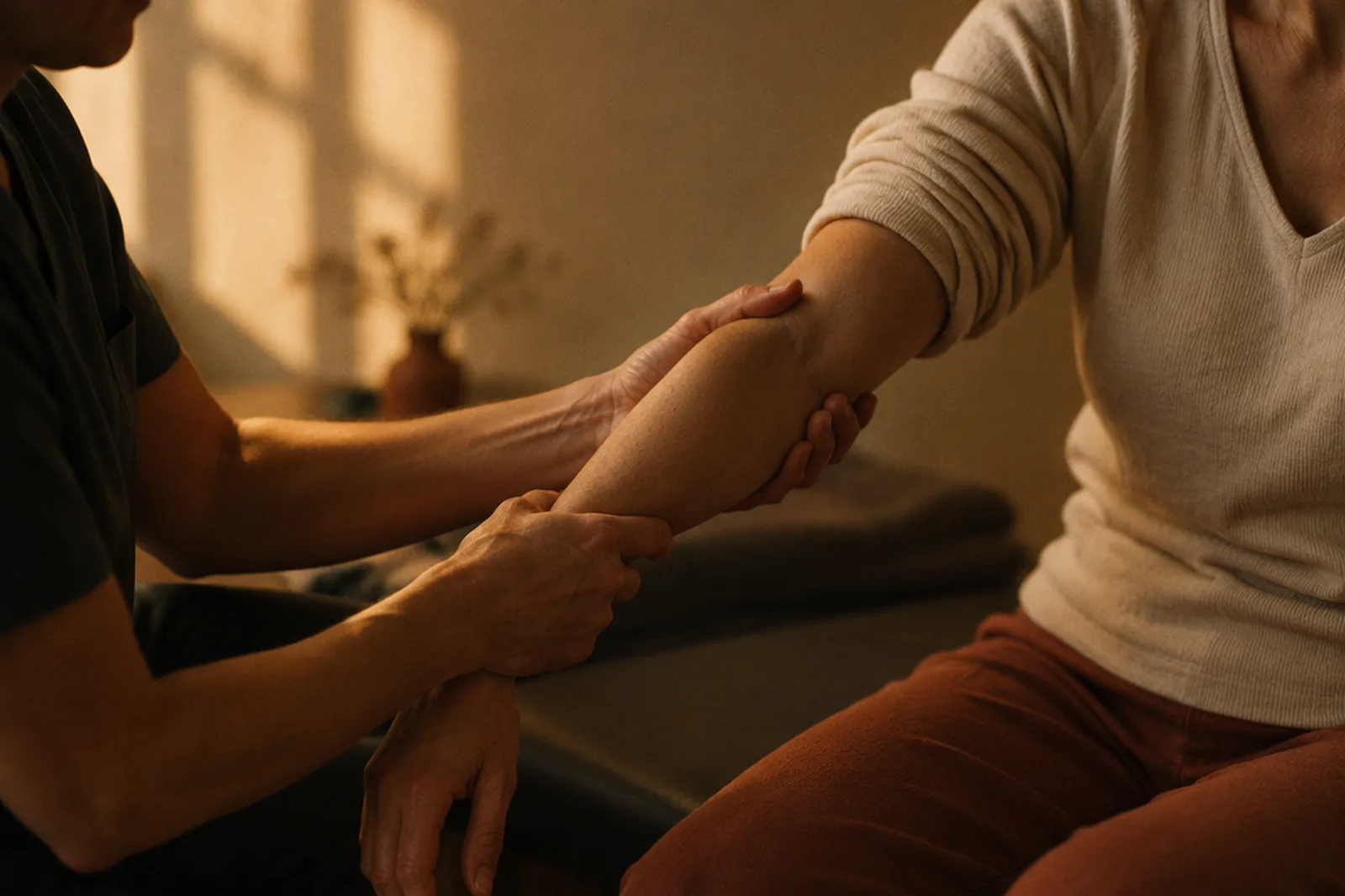
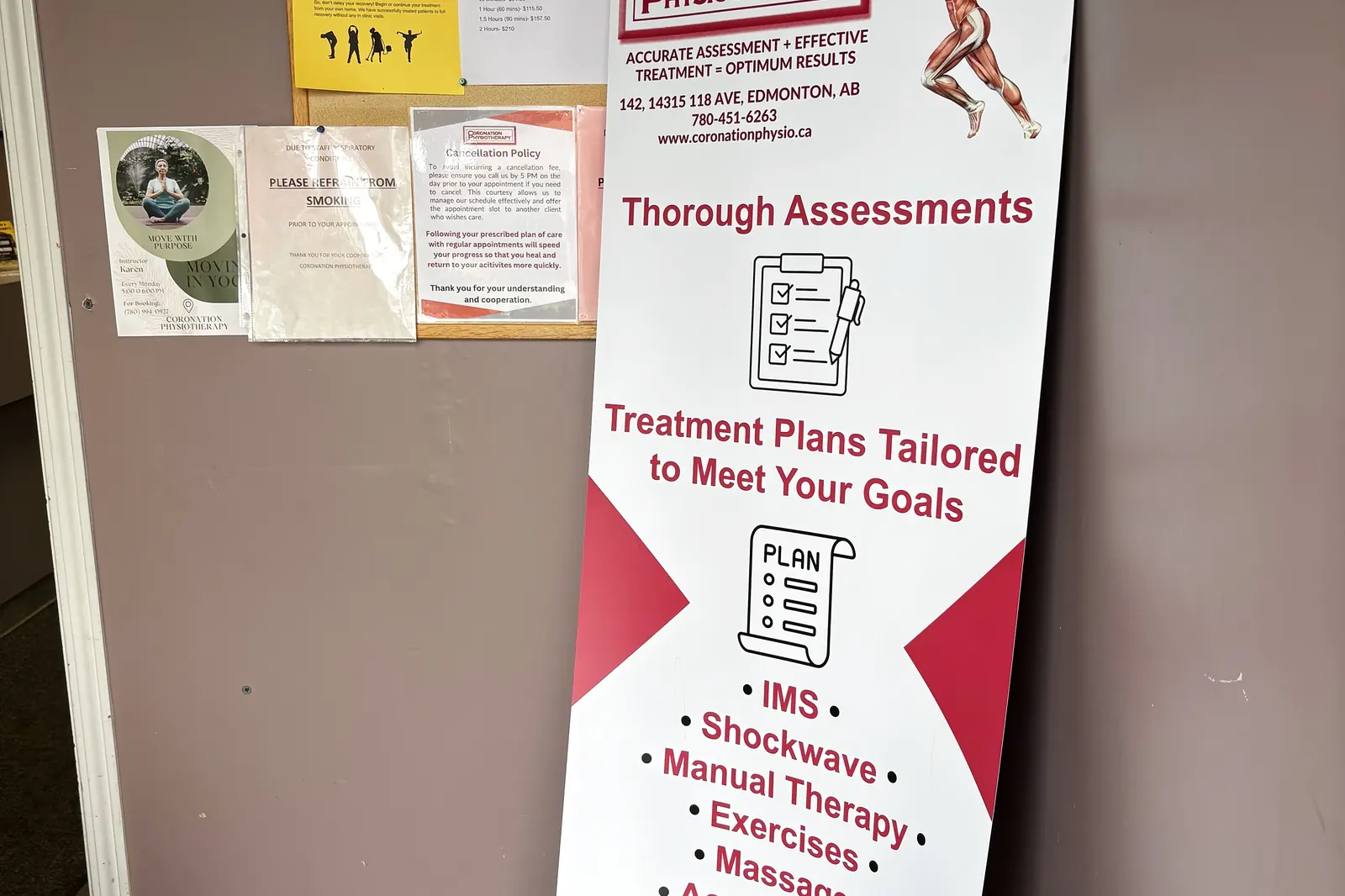
IMS is not a standalone product here. It sits inside physiotherapy treatment alongside manual therapy, progressive exercise and, where tendons are involved, shockwave therapy.
That matters because needling a muscle that is compensating for something else gives short-lived relief. The assessment establishes why the muscle is shortened in the first place, and the exercise programme is what stops it returning.



Who performs it
Needling is a College-authorized activity, and both of our physiotherapists are authorized for it
In Alberta a physiotherapist may only use needles in practice if the College of Physiotherapists of Alberta has authorized them to do so, and that authorization is recorded on the public register against each individual. Both of the physiotherapists below hold it, and the register also records both of them as practising at this clinic. You can check either of them yourself, and the permit numbers are there so you can.
To be precise about what that authorization is: it permits the use of needles in practice, which the College defines as covering acupuncture, intramuscular stimulation and biofeedback. It is a scope of practice authorization rather than a certificate in any one named needling technique.

Gugan Dakshnamurthy
Co-owner, Registered Physiotherapist
Authorized by the College to use needles in practice and to perform spinal manipulation.
Registered with the College of Physiotherapists of Alberta, permit #8475 Verify

Muthuukaruppan Muthiah
Co-owner, Registered Physiotherapist
Known to patients as Muthu, and the most senior physiotherapist on the team. Authorized by the College to use needles in practice, to perform spinal manipulation, and to order diagnostic imaging.
Registered with the College of Physiotherapists of Alberta, permit #8071 Verify
Straight answers
IMS and dry needling questions
Is IMS the same as acupuncture?
They use similar needles and nothing else in common. Acupuncture works from traditional meridian points. Gunn IMS is based on a physical examination of the muscle and the nerve supplying it, and the needle goes into the shortened muscle band itself.
Does IMS hurt?
A muscle that is not shortened barely registers the needle. A muscle that is will grab it, which produces a deep cramping sensation for a few seconds. That grab is the response we are looking for, and it settles quickly.
How will I feel afterwards?
Muscle soreness for a day or two, similar to the ache after hard exercise, is common and expected. We tell you what to do in that window and what to avoid.
How many treatments does it take?
It depends on how long the problem has been there and how much of the muscle is involved. Your physiotherapist gives you an expected range after the assessment and reassesses as treatment goes on.
Who should not have IMS?
Some conditions and medications, blood thinners among them, mean we adjust or avoid the technique. That is part of why the health history at your first appointment matters.
Do I need a separate appointment for IMS?
No. IMS is applied within physiotherapy treatment when the assessment indicates it, rather than booked as a standalone service.
Related guides
Guides on the problems IMS is often part of

Rotator Cuff Injury Physiotherapy in Edmonton: Tears, Tendons, Rehab
Tendinopathy, partial tear or full tear: how physiotherapy helps a rotator cuff injury, what to expect and how long recovery often takes.
Read the guide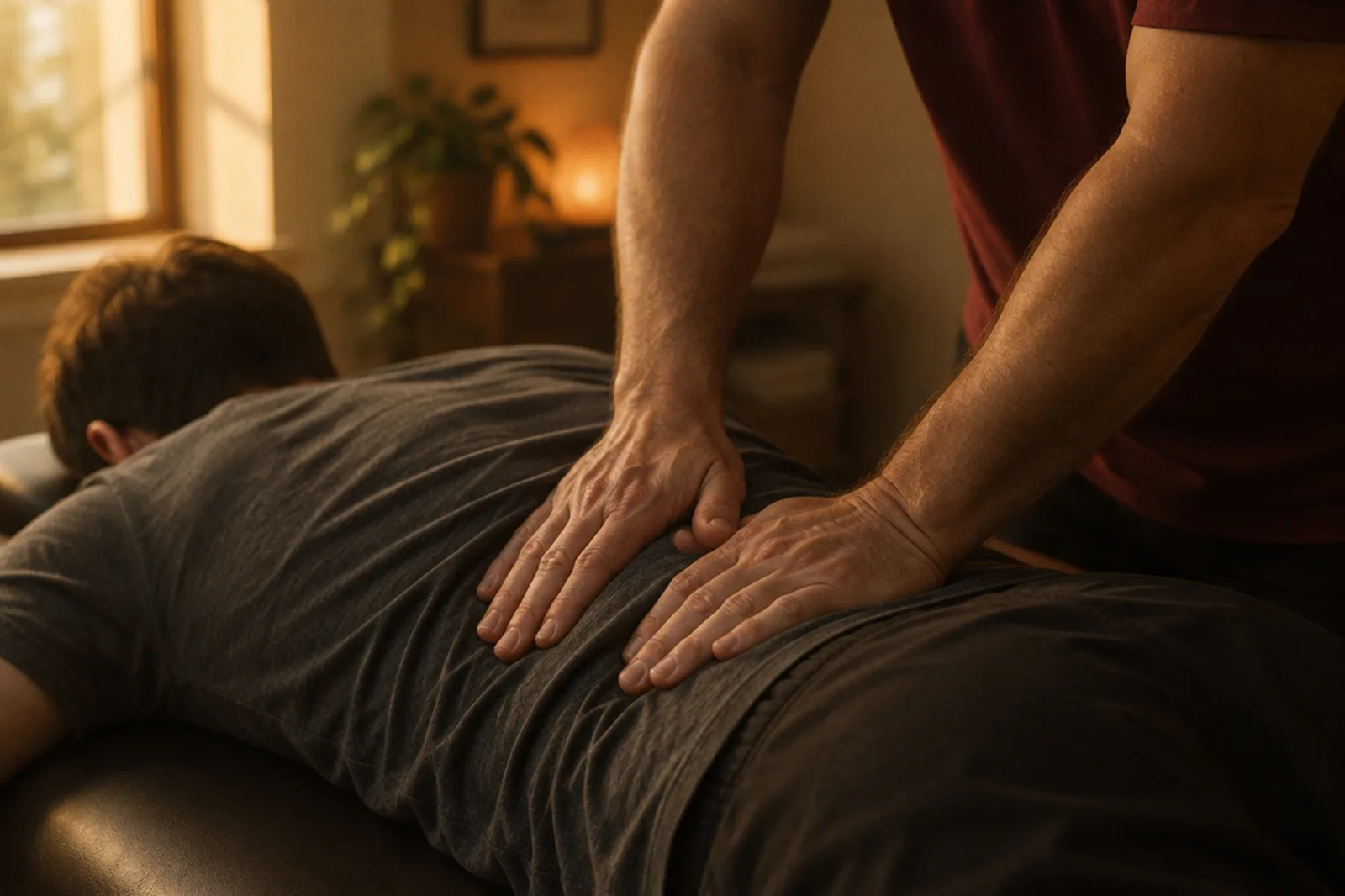
Is It Sciatica or Back Muscle Pain? How to Tell the Difference
How to tell nerve pain from muscle or joint back pain, the red flags to know, and what physiotherapy does for each.
Read the guide
Plantar Fasciitis Physiotherapy in Edmonton: Why Mornings Hurt
Why your first steps in the morning hurt, what drives plantar heel pain, and how physiotherapy helps you load the foot again.
Read the guideFind out whether IMS is the right tool
It starts with an assessment, so the treatment targets the muscle that is actually involved. Book with a registered physiotherapist.