Rotator Cuff Injury Physiotherapy in Edmonton: Tears, Tendons, Rehab
Rotator cuff injury physiotherapy in Edmonton: tendinopathy vs tears, staged exercises, recovery time and red flags. One-on-one care in northwest Edmonton.
If your shoulder aches when you lift your arm, wakes you when you roll onto it, or feels weak reaching for a high shelf, a rotator cuff injury is one of the most common reasons. Rotator cuff injury physiotherapy in Edmonton usually starts with working out which kind of problem you have, then building a staged exercise plan that settles pain and rebuilds strength.
Many people improve without surgery, including some with tears on a scan. At Coronation Physiotherapy in northwest Edmonton, we assess the shoulder one-on-one and set a plan around what you need your arm to do.
General information only, not a diagnosis. Our physiotherapists and massage therapists assess every patient first.
Key takeaways
- Rotator cuff problems range from tendinopathy (an irritated, overloaded tendon) to partial tears and full-thickness tears.
- Typical signs are pain lifting the arm, night pain when lying on that side, and weakness reaching overhead.
- Structured, progressive exercise is the backbone of rehab, and many people do well with it even when imaging shows a tear.
- Tendinopathy often settles over 6 to 12 weeks of consistent rehab; tears and post-surgical shoulders usually take longer.
- Sudden inability to lift your arm after a fall or other injury needs prompt medical assessment, not a wait-and-see approach.
What is the difference between rotator cuff tendinopathy, a partial tear and a full-thickness tear?
The rotator cuff is four small muscles and their tendons wrapped around the ball of your shoulder joint. Their job is to keep the ball centred in the socket while the bigger muscles move your arm. When the load on those tendons outpaces what they can handle, they start to complain.
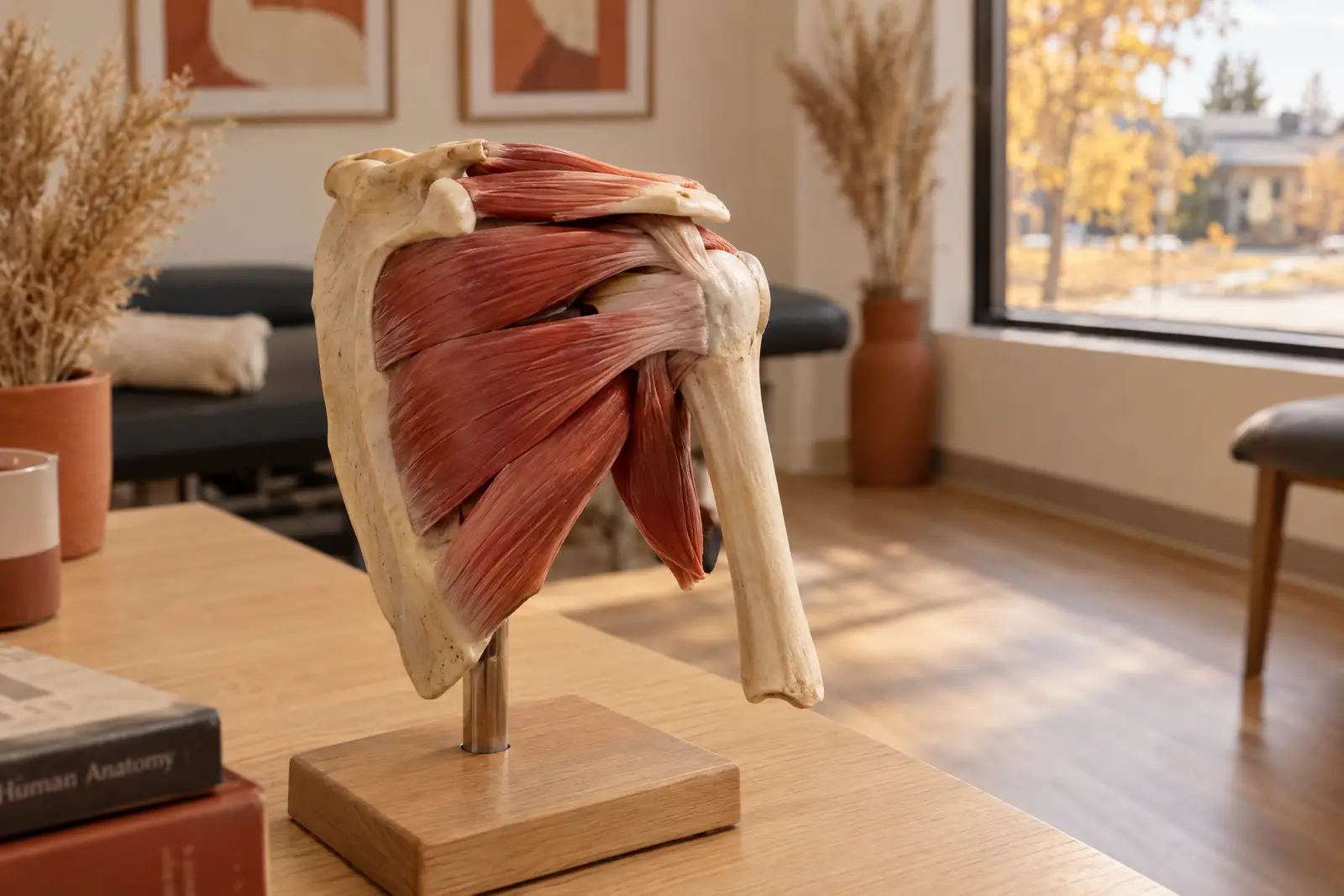
Tendinopathy is the most common version. The tendon is irritated and sensitive, often after a jump in workload: a weekend of painting ceilings, a new gym program, or the first few weeks of shovelling heavy Edmonton snow. Strength is usually still there, it just hurts to use it.
A partial tear means some of the tendon fibres are torn but the tendon is still attached. A full-thickness tear goes all the way through, from a small hole to a tendon that has pulled completely off the bone. Tears can come from a single injury, like a fall on an outstretched arm, or develop gradually with age and wear. An assessment is how you start to sort out which one you are dealing with, and imaging is sometimes ordered by your doctor when the answer would change the plan.
What does a rotator cuff injury feel like?
Most people describe a deep ache on the outside of the upper arm or the front and side of the shoulder, rather than right on top of it. The pattern is often more telling than the location:
- Pain lifting the arm out to the side or in front, especially in the middle of the range.
- Night pain, particularly when lying on the sore side, that wakes you or stops you getting comfortable.
- Weakness or a catch when reaching overhead, putting on a jacket, or doing up a bra.
- Pain reaching behind your back or into the back seat of the car.
With tendinopathy, strength usually holds up once you push through the pain. With a larger tear, the arm may simply not lift the way it used to, even when the pain is mild. That difference is one of the things a physiotherapist tests for, because it changes the plan and sometimes means referring you on.
Will a rotator cuff injury heal on its own?
Tendinopathy often eases once the aggravating load is reduced, but rest alone tends to leave the tendon weaker and quick to flare again the next time you ask more of it. A torn tendon does not knit back together the way a cut in skin does. What changes is how well the surrounding muscles and the rest of the cuff take up the work.
That is why the evidence leans so heavily on exercise. The American Academy of Orthopaedic Surgeons reports that nonsurgical treatment relieves pain and improves function in about 80 to 85% of patients with rotator cuff tears. MyHealth Alberta notes that you can have a complete tear without symptoms, especially as an older adult.
Put those together and a tear on a scan is not, by itself, a reason to stop moving or rush to surgery. Plenty of people with a tear on imaging have no pain at all. What matters more is how the shoulder works, and that is something you can train.
Rotator cuff injury physiotherapy in Edmonton: what treatment looks like at Coronation
Your first visit is a full assessment, not a sheet of exercises. We ask how it started, what aggravates it, how you sleep, and what you need the shoulder for, whether that is lifting a toddler, overhead work on a job site, or a return to volleyball.
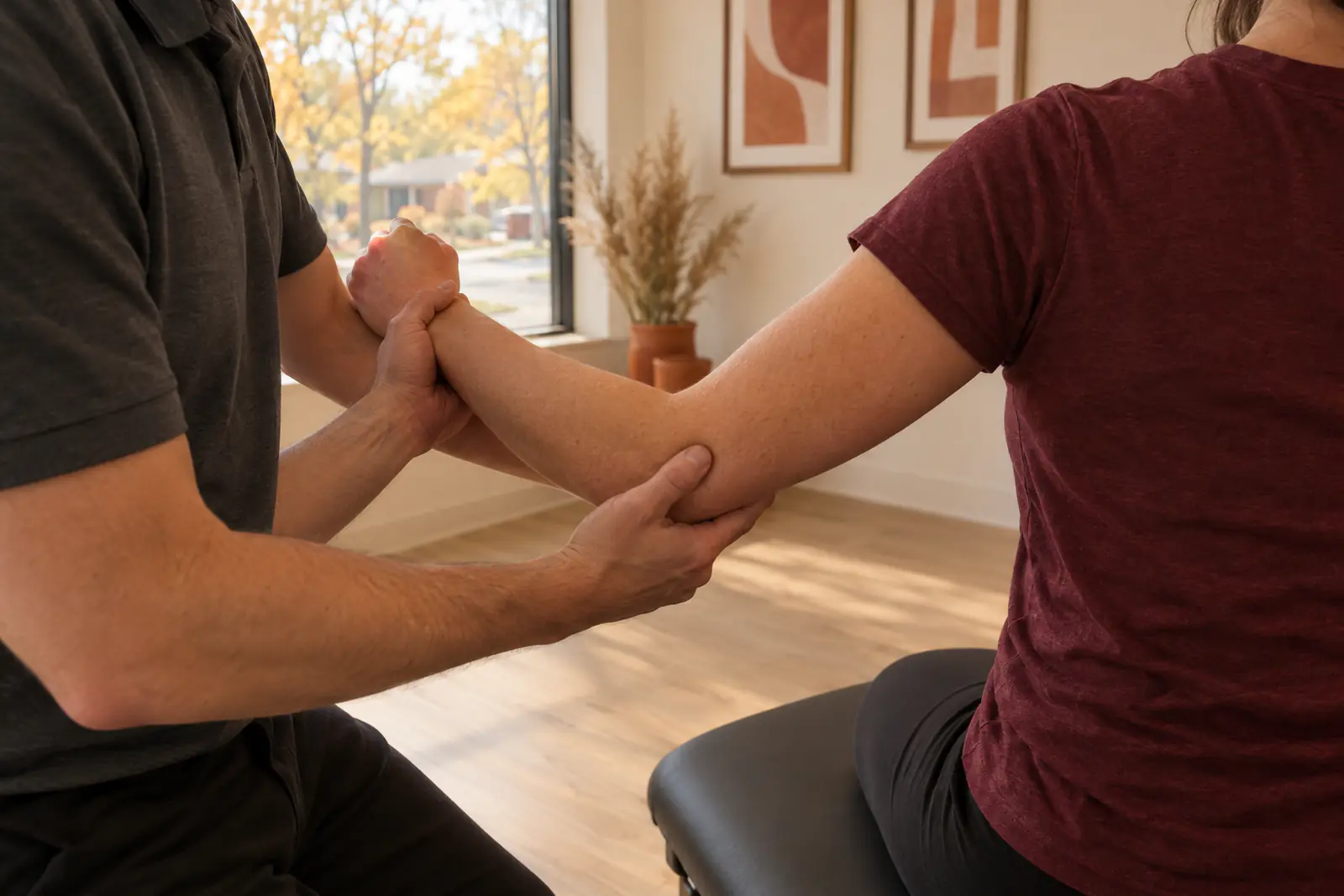
Then we test range of motion, strength in different positions, how your shoulder blade moves, and whether your neck is contributing. Pain from the neck can mimic a shoulder problem, so ruling it in or out early saves time.
Treatment is built from the findings. Exercise is the core of it. Alongside that, options may include:
- Manual therapy to ease stiffness in the shoulder, upper back and neck so exercise feels more manageable.
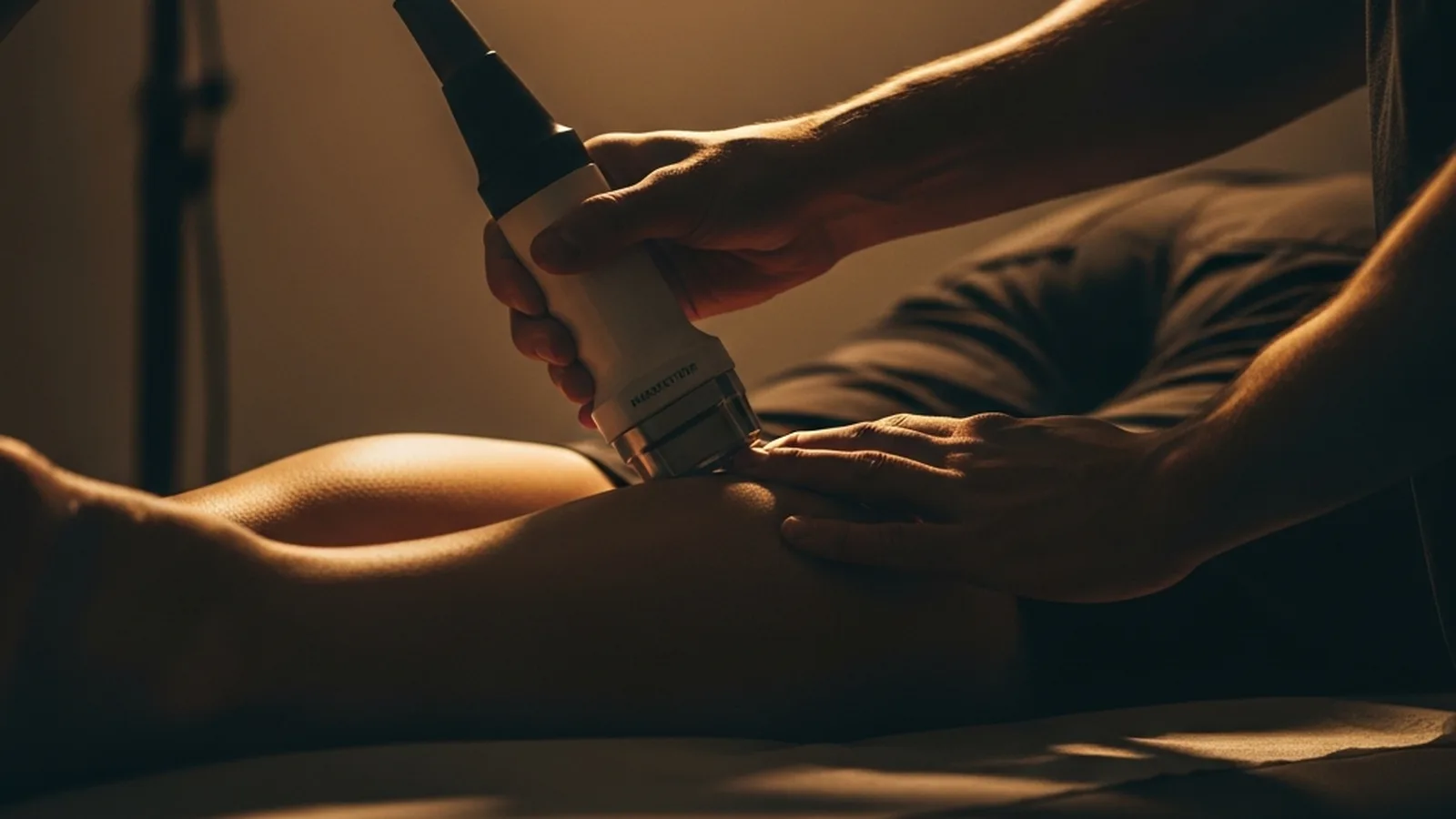
- Shockwave therapy, which may help selected cases of stubborn tendinopathy, including calcific tendinopathy where calcium deposits form in the tendon.
- Dry needling and Gunn IMS for tight, sensitive muscles around the shoulder girdle.
Each of these is decided at assessment and used alongside exercise, never in place of it. Both of our co-owners, Gugan Dakshnamurthy and Muthuukaruppan (Muthu) Muthiah, treat shoulder problems, and the shoulder is one of Gugan’s particular interests. You can read more about how we work on our physiotherapy in Edmonton page.
Which exercises help a rotator cuff injury, and which should you avoid?
Good rotator cuff rehab moves in stages. You do not need to finish one perfectly before touching the next, but skipping ahead is the most common reason shoulders flare up.
Stage 1: settle it down
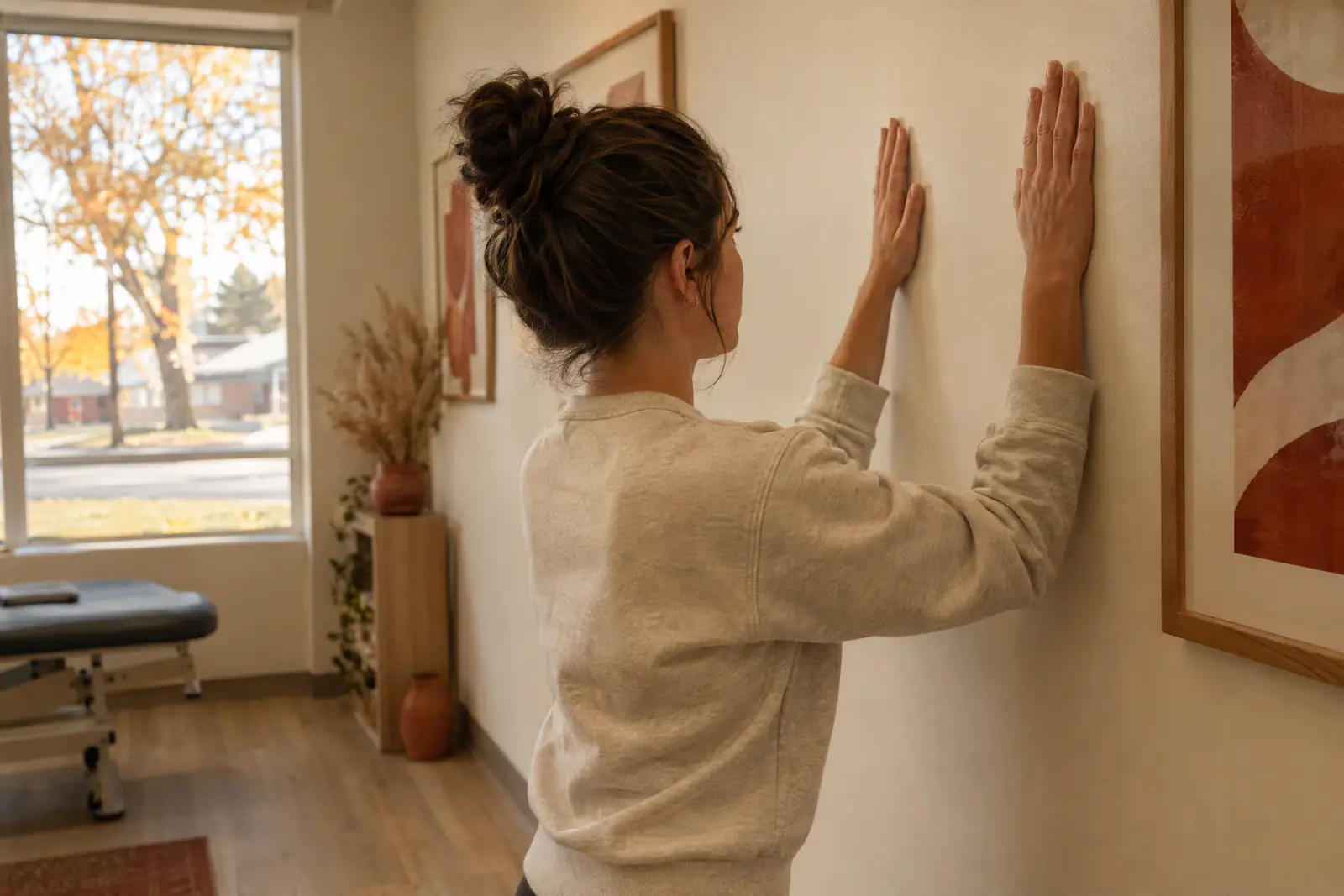
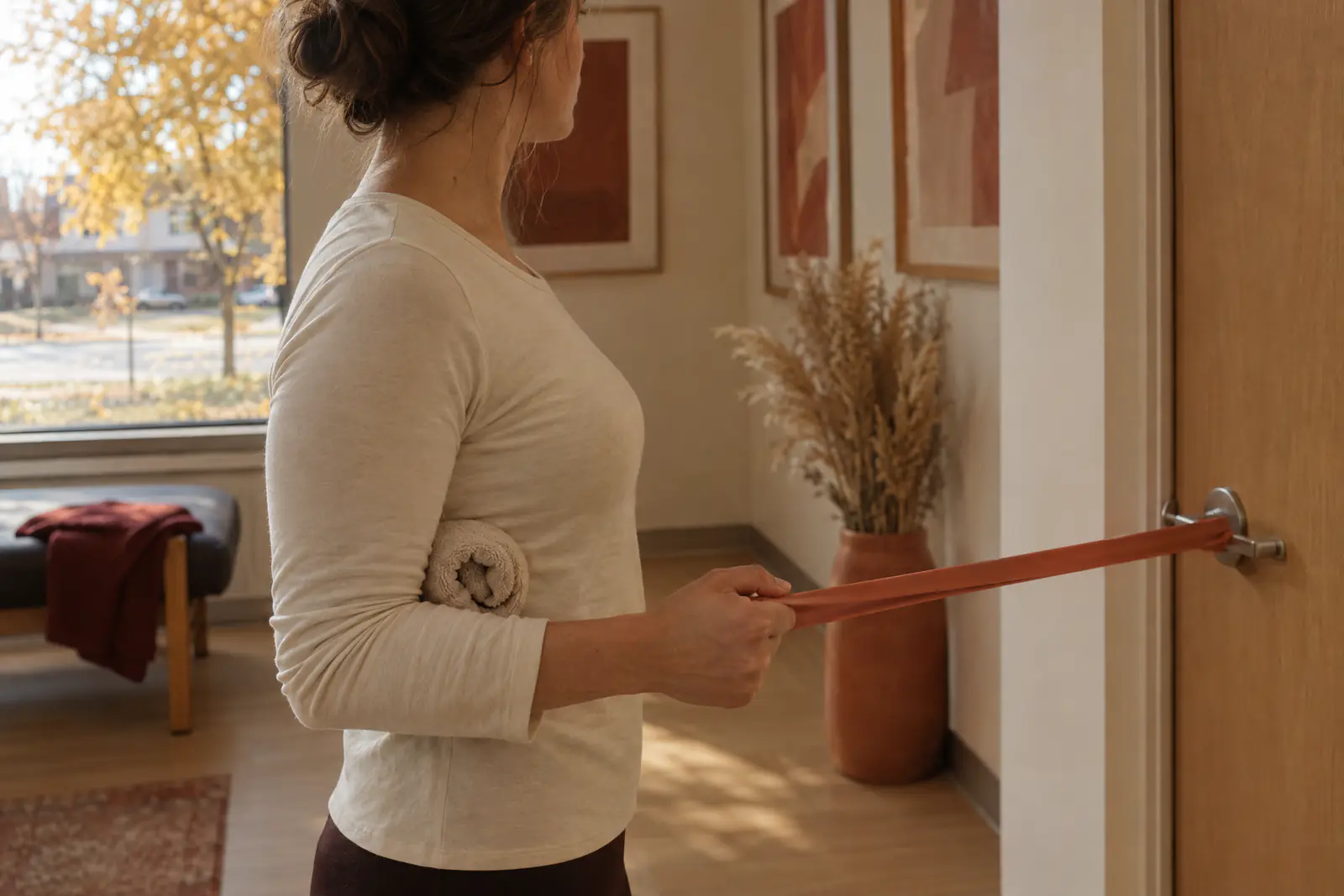
Cut back the specific movements that provoke pain, without strapping the arm to your side. Gentle movement, isometric holds (pushing against a wall without moving) and positions that let you sleep matter most here.
Stage 2: restore motion
Regain the range you have lost, starting in supported positions and working towards reaching overhead.
Stage 3: strengthen in progressively harder positions
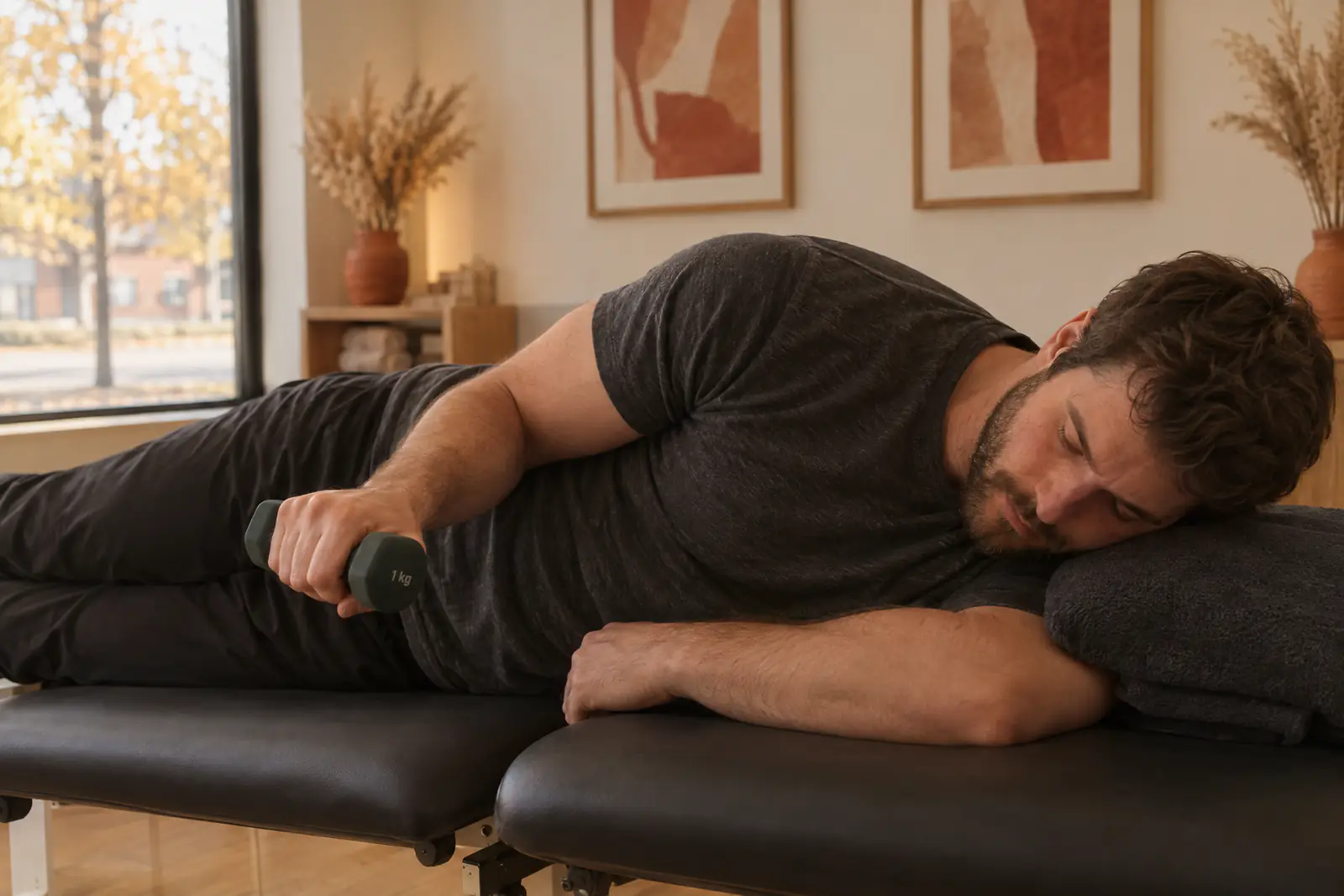
Strength work begins with the arm close to your body and gradually moves into positions that load the cuff more, such as arm out to the side or overhead.
Side-lying rotation with a light dumbbell, rows, and later presses are common steps, with the load set so the shoulder is working hard but pain settles by the next morning.
Stage 4: return to overhead work and sport
Speed, endurance and the exact demands of your job or sport. Our sports rehabilitation team works through throwing, swimming or racquet sport progressions, and our guide to returning to sport after an injury covers how to judge when you are ready.
As for rotator cuff exercises to avoid, it is less about banned movements and more about timing. Early on, heavy overhead pressing, upright rows, behind-the-neck presses, dips and anything that reproduces sharp pain are usually worth pausing. Most of them come back later, once the shoulder can handle them.
How long does rotator cuff injury recovery take?
Everyone responds differently, and the honest answer depends on what is going on in the tendon and how consistent the rehab is. As a rough guide:
- Tendinopathy: often 6 to 12 weeks of steady, progressive exercise before most daily activities feel comfortable, sometimes longer for heavy overhead work.
- Partial and full-thickness tears managed without surgery: usually several months, because strength takes time to build around the tear.
- After surgical repair: recovery is commonly measured in months rather than weeks, and your surgeon’s protocol sets the early pace.
You will not need to see us every week for all of that. Visits tend to be closer together early on, then spread out as you take over the program at home.
When is surgery discussed, and what does rehab after surgery involve?
Surgery is more likely to come up after a significant tear from a clear injury in a younger, active person, when weakness is marked, or when pain and function have not improved after a solid period of well-run rehab. Those decisions are made with your family doctor and an orthopaedic surgeon. Our role is to give you an honest read of how your shoulder is responding so that conversation is better informed.
If you do have a repair, physiotherapy after the operation follows the surgeon’s protocol: protecting the repair early, then restoring movement, then strengthening in the same staged way described above. Working on strength and range before surgery, where it is appropriate, can also make the early weeks afterwards easier.
When should you see a doctor instead?
Most shoulder pain is safe to have assessed by a physiotherapist first, and you do not need a doctor referral for shoulder pain physiotherapy in Edmonton or anywhere else in Alberta. Some signs need medical care first:
- A sudden loss of ability to lift your arm after a fall or other traumatic injury: get urgent medical assessment, as some acute tears are time sensitive.
- A shoulder that has dislocated, looks deformed, or will not move after an injury: go to emergency.
- Fever, or a shoulder that is hot, red and swollen.
- Arm or shoulder pain with chest pain, shortness of breath, sweating or nausea: call 911.
- Numbness, tingling or weakness spreading down the arm into the hand.
- Constant pain that does not change with movement or position, or pain with unexplained weight loss.
If any of these come up during an assessment with us, we will tell you plainly and point you to the right place.
The bottom line
A sore, weak shoulder often has more room to improve than people expect, and a tear on a scan is not automatically a surgical problem. For many people, good rotator cuff injury physiotherapy in Edmonton comes down to the right exercises, in the right order, at the right load.
Important: This article is general information only. It is not medical advice and it cannot be used to diagnose or treat any condition. Every patient is assessed first by one of our registered physiotherapists or our registered massage therapists before any treatment, and your care plan is based on that assessment. If you have symptoms, please book an assessment.
If your shoulder is costing you sleep or stopping you reaching overhead, book an assessment at our northwest Edmonton clinic on 118 Avenue or call (825) 451-6263. Free parking is available front and back, and we direct bill most major insurers.