Car Accident Physiotherapy in Alberta: How It Works Now and What Changes January 1, 2027
Car accident physiotherapy in Alberta needs no referral. How today's DTPR visit rules work, what Care-First changes on January 1, 2027, and what we handle.
You can book car accident physiotherapy in Alberta directly with a physiotherapist. You do not need a doctor’s referral first. Right now, the provincial Diagnostic and Treatment Protocols Regulation sets out how a physiotherapist assesses and treats common sprain, strain and whiplash injuries after a collision, and how many visits can be authorized in the first 90 days. The Government of Alberta says a new auto insurance system called Care-First starts on January 1, 2027.
General information only, not a diagnosis. Our registered physiotherapists and registered massage therapists assess every patient first.
This guide explains the current rules in plain language, what Alberta has said so far about Care-First, what happens at a first assessment at Coronation Physiotherapy in northwest Edmonton, and which parts of the paperwork we take care of. Where the government has not yet published a detail, we say so rather than guess.
Key takeaways
- No doctor referral is needed to see a physiotherapist after a car accident in Alberta.
- Under the current regulation, a physiotherapist can authorize one assessment visit plus up to 10 or up to 21 treatment visits, depending on how the injury is graded.
- Those protocols apply for the first 90 days after the accident, and more care can be requested from your insurer.
- Care-First starts January 1, 2027, according to alberta.ca. Some details are still being released.
- If anything feels urgent after a collision, get medical help first. Physiotherapy comes after that.
What should you do in the first days after a collision?
Start with safety and anything urgent. If you have a severe headache, confusion, numbness or weakness in an arm or leg, chest pain, trouble breathing, or neck pain with any of those, call 911 or go to an emergency department. Those symptoms need a doctor before anyone else.
For most people the first days look different. You feel shaken, sore and stiff, and the soreness often builds over the next day or two. That pattern is common after a collision. A few practical steps help:
- Report the collision to your insurer. Your insurer opens the accident benefits claim. Ask them for your claim number and keep it somewhere easy to find.
- Write down what happened while you remember it. The date, time, where you were sitting, and what hurt first. This helps the person who assesses you.
- Keep moving gently. Short walks and normal daily tasks, within comfort, are usually better than staying in bed. The regulation itself asks practitioners to discuss an early return to normal activities.
- Book an assessment early. The current protocols are tied to the first 90 days after the accident, so earlier is simpler.
If dizziness or a foggy feeling is part of the picture after a head knock or a jolt, our guide to dizziness treatment in Edmonton explains the common causes and the red flags that need a doctor.
Do I need a doctor referral for physiotherapy after a car accident in Alberta?
No. Under Alberta’s Diagnostic and Treatment Protocols Regulation, a “health care practitioner” means a chiropractor, a physical therapist or a physician. A physiotherapist is a physical therapist under that regulation, so a physiotherapist can do the assessment and authorize treatment within their scope of practice. You can call a clinic and book yourself in.
Some people still see their family doctor first, and that is fine. It is just not a requirement for physiotherapy. If you have both a doctor’s visit and a physiotherapy assessment, bring any notes from the doctor to your first physiotherapy appointment.

At Coronation Physiotherapy, booking takes one call or one form. Tell us the date of the collision and your insurer, and we will find you a time. Our MVA physiotherapy in Edmonton page has more on the injuries we see after collisions.
How do the current Alberta rules work, in plain language?
Accident benefits in Alberta are paid under Section B of the standard auto policy. For sprains, strains and whiplash the province uses a regulation called the Diagnostic and Treatment Protocols Regulation, often shortened to DTPR (Alberta Regulation 116/2014). Alberta’s practitioner page lists it as applicable to collisions on or after July 1, 2014. Here is what the regulation text says, without the legal wording.
It covers three kinds of injury
The protocols apply to sprains (injuries to tendons or ligaments), strains (injuries to muscles) and whiplash associated disorders, called WAD. The regulation grades sprains and strains as 1st, 2nd or 3rd degree, and grades whiplash as WAD I or WAD II. Whiplash with clear neurological signs, or with a fracture or dislocation of the spine, falls outside these protocols.
The visit numbers depend on the grade
- One assessment visit, including a treatment plan and the claim form if needed, is authorized on top of the treatment visits.
- Up to 10 treatment visits for a 1st or 2nd degree sprain or strain, or a WAD I injury. This is a combined total across physiotherapy, chiropractic and certain adjunct therapy.
- Up to 21 treatment visits for a 3rd degree sprain or strain, or a WAD II injury.
- If you have two or more injuries, the regulation sets one combined total rather than adding the limits together.
There is a 90 day window, and you can ask for more
The protocols stop applying 90 days after the accident, or when the authorized visits are used, whichever comes first. That is not the end of care. Section 3 of the regulation says a patient or practitioner can apply to the insurer for services beyond those limits, and the insurer may approve them.
The insurer has deadlines too
The claim form is meant to reach the insurer within 10 business days of the accident, or as soon as practicable if that is not reasonable. The insurer then has 5 business days to approve or refuse the claim, and the reasons it can refuse are limited. If the insurer does not respond in that time, the regulation treats the claim as approved.
The regulation also describes what treatment should include: education about the expected course of recovery, advice about returning to work and daily life, and active care such as exercise. In practice, that means your plan should help you do more for yourself over time, not keep you dependent on appointments.
What changes on January 1, 2027 with Care-First, and what is not yet known?
The Government of Alberta’s Care-First page says the new auto insurance system starts January 1, 2027. On that page, alberta.ca describes access to treatment such as chiropractic, physiotherapist or psychologist care, and it compares Care-First with the current system’s limits on medical and rehabilitation benefits.
Alberta has also started publishing guidance for health care practitioners, including a Care-First Program of Care guideline and a guideline on care pathways for weeks 13 to 24. Those documents are still being released, and the Care-First page does not say how a collision that happens before January 1, 2027 will be handled after that date.
So here is the honest position. If you are hurt in a collision now, the current rules described above are the ones that apply to your claim today. If your collision happens on or after January 1, 2027, ask your insurer which program your claim falls under. We will follow the rules that apply to your file, and we will not guess at details the province has not yet published.
What does your first MVA assessment at our clinic cover?
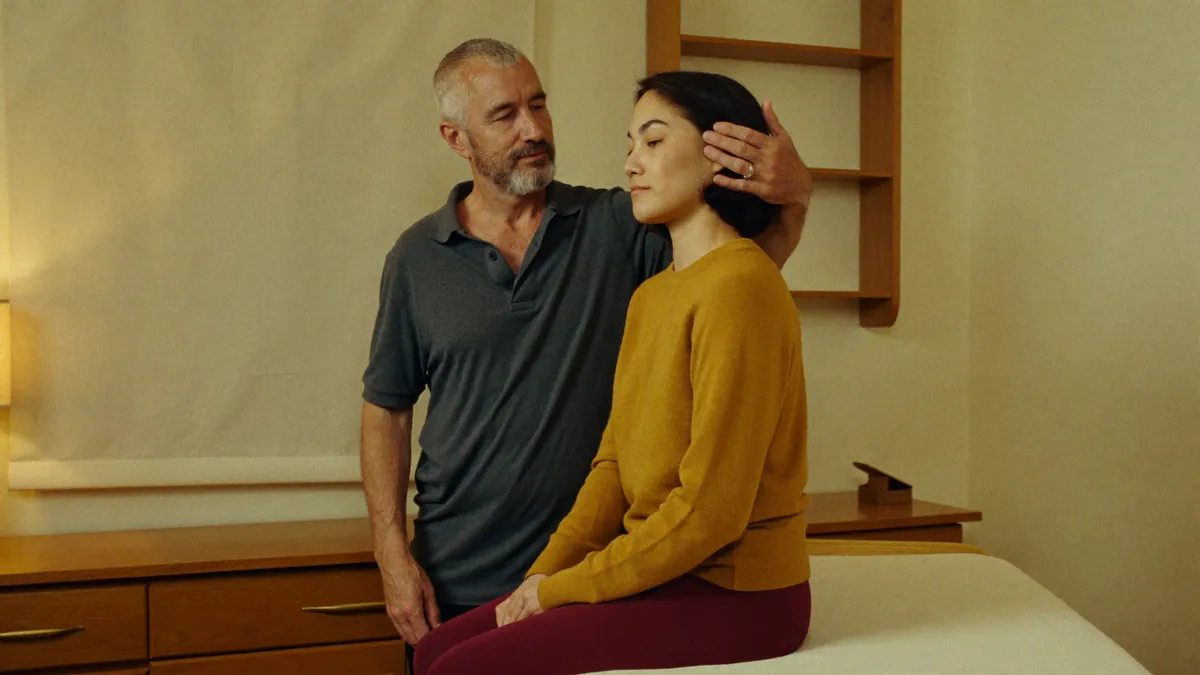
Your first visit is one-on-one with a registered physiotherapist, in a private treatment room. It is an assessment, not a rushed intake. It usually covers:
- The story. How the collision happened, where you were sitting, what you felt then and what you feel now.
- A screen for anything that needs a doctor. If something suggests a fracture, a nerve problem or a concussion that needs medical review, we tell you plainly and point you to your doctor or urgent care.
- Movement and strength testing. Neck and back range of motion, shoulder and hip movement, strength, and how the sore areas respond to gentle testing.
- Grading. The regulation asks the practitioner to identify the injured tissue and its grade, which determines the visit numbers above.
- A plan you can follow. What to do at home this week, what to ease off on, and what treatment in the clinic will involve.
Treatment usually combines hands-on care with exercise you do between visits, and some people use our on-site rehabilitation gym as they progress. Options such as Gunn IMS or shockwave may be discussed when the assessment points to them. Our wider physiotherapy in Edmonton page explains how assessment-led care works at the clinic. How long recovery takes varies from person to person, and your physiotherapist will talk you through what to expect for your own injury.
Paperwork: what do we handle, and what should you bring?
Paperwork is the part most people dread when they are already sore. The claim opens with the AB-1 form. We handle the documentation requirements on our side, send the required assessment reports to your insurer and keep your file current. In most approved claims we bill your insurer directly, and we confirm the position on your file before treatment starts so you know where you stand.
Please bring:
- Your auto insurer’s name and your claim number, if you have one.
- The date and a short description of the collision.
- Photo ID and your extended health benefits card, if you have one.
- Any notes from a doctor, urgent care or emergency visit.
- Comfortable clothing that lets us see and move your neck, shoulders and back.

Where can you get car accident physiotherapy in northwest Edmonton?
Coronation Physiotherapy is at 14315 118 Ave NW, Unit 142, Edmonton, in the northwest of the city, with free parking at the front and back of the building. We are open Monday to Friday, 8:00 AM to 6:00 PM, and closed on weekends. The clinic is a practice Edmonton has trusted since 1987, now led by an experienced team of registered physiotherapists who treat patients themselves.
You can book online or call (825) 451-6263. Tell us the date of your collision and we will help you get started.
The bottom line
After a collision in Alberta, you can go straight to a physiotherapist. Today’s rules give a set number of visits for sprain, strain and whiplash injuries in the first 90 days, with a route to ask your insurer for more. Care-First starts January 1, 2027, and we will update this guide as Alberta publishes more detail.
Sources
- Government of Alberta, Diagnostic and Treatment Protocols Regulation, Alberta Regulation 116/2014 (office consolidation current as of November 1, 2020), also listed on open.alberta.ca.
- Government of Alberta, Insurance information for health care practitioners.
- Government of Alberta, Care-First auto insurance.
Important: This article is general information only. It is not medical advice and it cannot be used to diagnose or treat any condition. Every patient is assessed first by one of our registered physiotherapists or our registered massage therapists before any treatment, and your care plan is based on that assessment. If you have symptoms, please book an assessment.
Hurt in a collision? Book a car accident physiotherapy assessment online with Coronation Physiotherapy at 14315 118 Ave NW, or call us at (825) 451-6263. No referral needed.